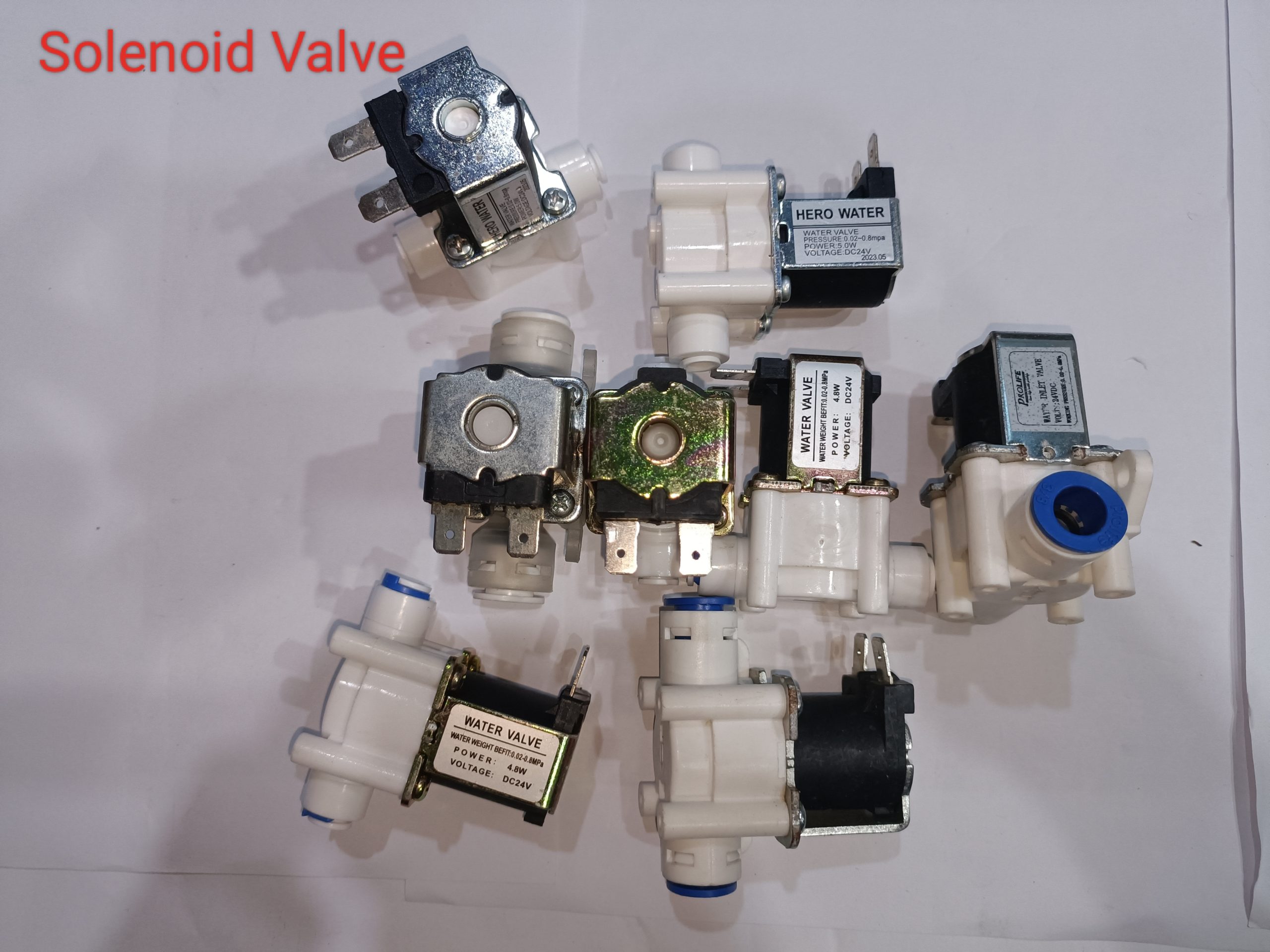
The Ultimate Guide to Solenoid Valves: What They Are and How They Work
A solenoid valve is an electromechanically operated valve. It’s a common and fundamental component used to control the flow of liquids or gases in a wide range of applications, from simple household appliances to complex industrial systems. This guide will help you understand what solenoid valves are, their key components, how they function, and why they’re so widely used.
What Is a Solenoid Valve?
At its core, a solenoid valve consists of two main parts: the solenoid and the valve body.
- Solenoid: This is an electromagnet made of a coil of wire wrapped around a core. When an electrical current passes through the coil, it generates a magnetic field.
- Valve Body: This is the physical structure that houses the internal components, including the orifice (the opening that controls flow) and a plunger or piston.
These valves are either normally closed (NC), meaning they are closed when de-energized and open when a current is applied, or normally open (NO), meaning they are open when de-energized and close when a current is applied.
How Does a Solenoid Valve Work?
The operation of a solenoid valve is quite simple.
- De-energized State (Normally Closed): In an NC valve, the plunger is held in place by a spring, which keeps it pressed against the valve’s orifice, blocking the flow of fluid.
- Energized State: When an electrical current is sent to the solenoid coil, it creates a magnetic field. This magnetic field pulls the plunger upwards, compressing the spring and lifting the plunger away from the orifice.
- Flow Begins: With the plunger moved, the orifice is now open, allowing the fluid or gas to flow through the valve.
- Back to De-energized: When the electrical current is switched off, the magnetic field disappears. The spring then pushes the plunger back down, closing the orifice and stopping the flow.
Key Applications of Solenoid Valves
Solenoid valves are incredibly versatile and can be found in countless industries and products.
- Industrial Automation: They control pneumatic and hydraulic cylinders, robotic arms, and assembly line processes.
- HVAC Systems: They regulate the flow of refrigerants and other fluids in air conditioners and heating units.
- Medical Equipment: They are used in ventilators, dialysis machines, and other precise fluid control applications.
- Automotive: They control fuel injection, transmission fluid, and various emission control systems.
- Home Appliances: You’ll find them in washing machines, dishwashers, and automatic sprinkler systems.
Key Benefits of Using Solenoid Valves
- Rapid Response Time: They can open and close very quickly, making them ideal for applications requiring fast and precise control.
- Reliability: With few moving parts, they are durable and require minimal maintenance.
- Low Power Consumption: Many types of solenoid valves are designed to operate efficiently with low power.
- Versatility: Available in a wide range of sizes, materials, and configurations to suit various pressure, temperature, and fluid requirements.
Prominent Water Technology specializes in providing high-quality water purification systems. Their focus seems to be on ensuring safe, clean, and healthy water for their customers.
More detail about us pls visit our facebook page