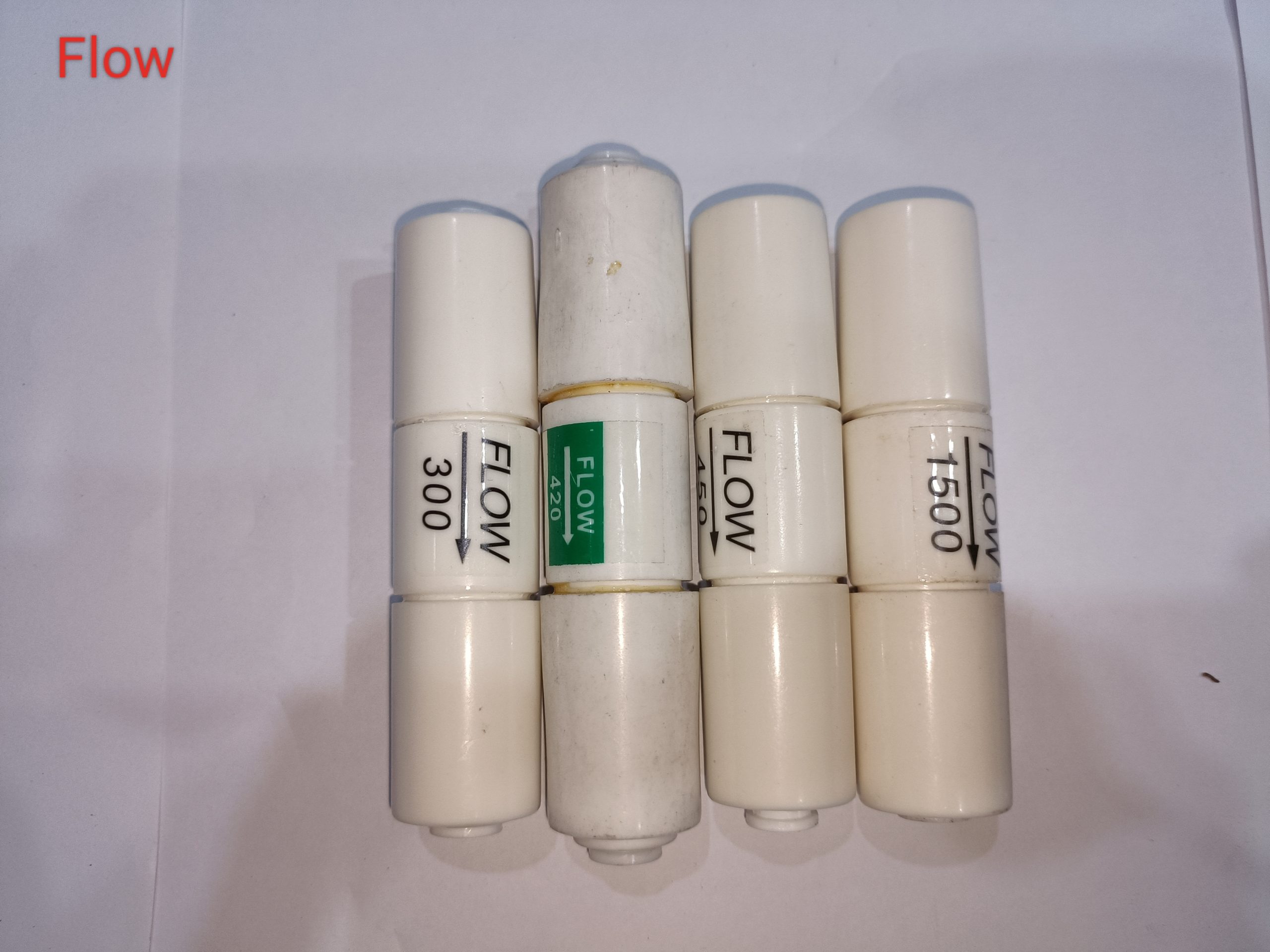
The Ultimate Guide to Flow Restriction: 300CC to 1500CC
Understanding flow restriction is crucial for anyone involved in automotive performance tuning. Whether you’re building a high-performance engine or simply upgrading your fuel system, selecting the right components with the correct flow rate is paramount. This guide focuses on the popular range of 300CC to 1500CC, explaining what it means and why it’s so important.
What Does “CC” Mean in Flow Restriction?
CC stands for Cubic Centimeters. In the context of fuel injectors, it’s a unit of measurement that describes the volume of fuel a component can deliver per minute. A “300CC” fuel injector, for example, can flow 300 cubic centimeters of fuel in one minute at a specific pressure.
The flow rating is a direct indicator of how much fuel a system can supply to the engine’s cylinders. A higher CC rating means the component can flow more fuel.
Why the 300CC to 1500CC Range is So Important
This range covers a vast spectrum of applications, from mildly tuned engines to high-horsepower, forced-induction setups.
- 300CC – 500CC: This range is often suitable for naturally aspirated engines or those with light modifications. It can support a modest increase in horsepower without over-fueling the engine.
- 500CC – 800CC: As you move into this range, you’re looking at fuel injectors and flow restrictors designed for more aggressive builds. This is a common sweet spot for turbocharged or supercharged street cars.
- 800CC – 1500CC: This is the realm of high-performance racing. Injectors and restrictors in this category are necessary for extremely high-horsepower engines, often running on alternative fuels like E85, which requires a higher flow rate than gasoline to achieve the same air/fuel ratio.
Choosing the Right Flow Restriction for Your Engine
Selecting the correct flow rate is a critical step in building a reliable and powerful engine. Using a flow rate that is too low can cause your engine to run lean, leading to potential damage. Conversely, a flow rate that is too high can cause your engine to run rich, which can harm catalytic converters and reduce efficiency.
Factors to consider when choosing a flow rate:
- Engine Displacement (Cubic Inches or Liters): A larger engine generally requires more fuel.
- Forced Induction (Turbocharger or Supercharger): Forced induction significantly increases the engine’s airflow, demanding a higher fuel flow rate.
- Desired Horsepower: Your horsepower goals directly correlate with the required fuel flow.
- Fuel Type: E85 requires approximately 30% more flow than gasoline for a given horsepower level.
Prominent Water Technology specializes in providing high-quality water purification systems. Their focus seems to be on ensuring safe, clean, and healthy water for their customers.
More detail about us pls visit our facebook page